
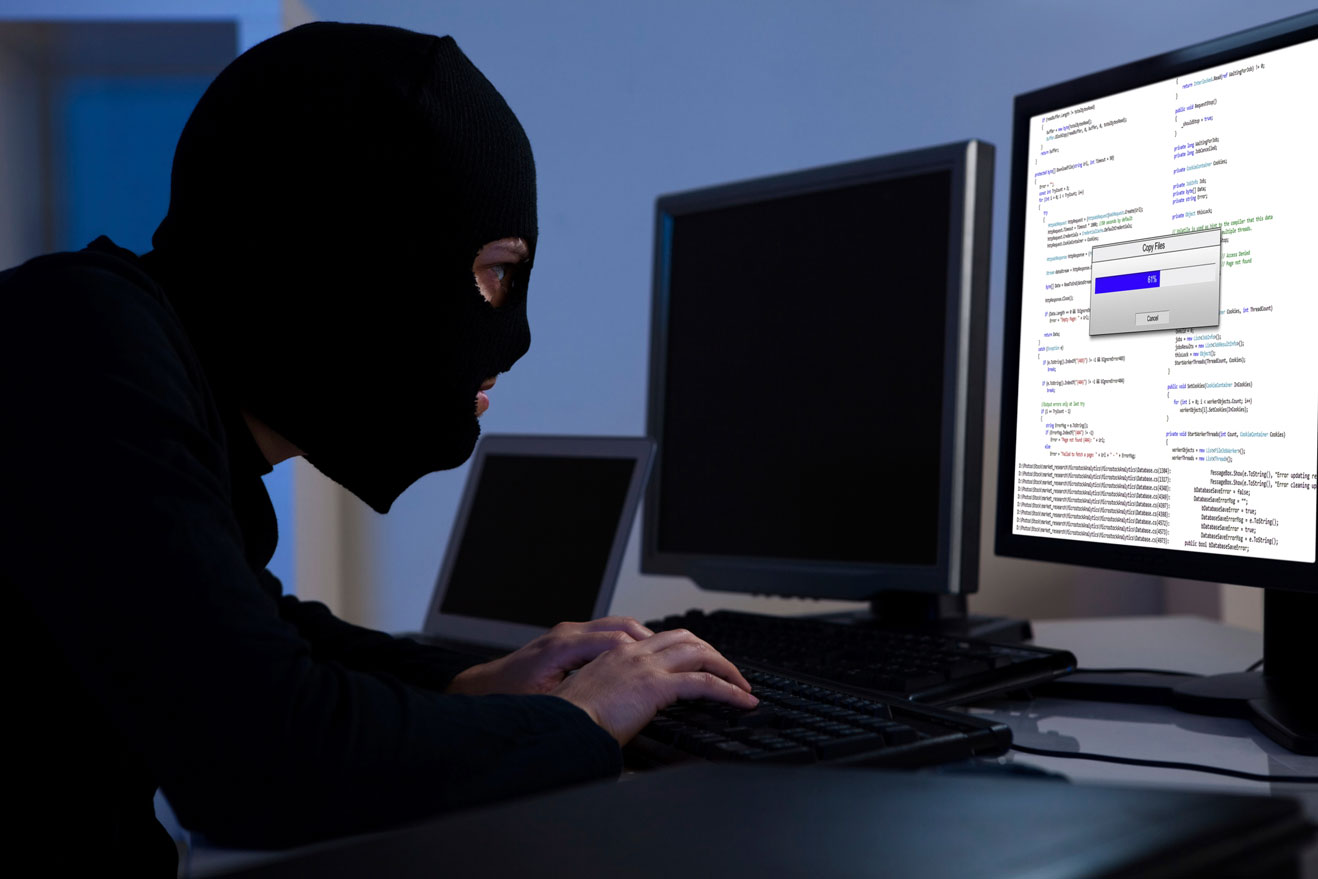
 Cybercrime is on the rise and the war against these criminals has already begun. Small businesses are especially vulnerable to attacks because many of them remain unprepared. Many people and businesses sadly only realize the importance of being prepared after they’ve experienced an attack.
This doesn’t have to be your story. You can avoid becoming another statistic in the cybercrime victims list by taking the following precautions:
- Start taking cybercrime seriously
The daily news reports focus on cybercrime in government agencies and large corporations. This has led individuals and small businesses alike to assume that they are safe. The opposite is true. According to a report by Symnatec, over 43 percent of cyber-attacks are aimed at small businesses. It is therefore important for every business to have a cyber-security strategy that will keep them prepared.
- Assess the risks
- Control access to your WI-FI
Wi-Fi is one of the easiest ways that hackers can use to gain access to your personal information. This usually occurs where there is an unsecured network. If your business makes use of Wi-Fi, have it secured. Set a password and limit access to the network by employees.
- Pay attention to alerts
Whether you have an in house IT team or not, have an alert system set up. Have the team remain on the lookout for any breaches in security within your business. They should also keep you up to date with the latest breaches affecting businesses like your own.
You should also keep a close eye on areas of vulnerability as well as common targets for cybercriminals. Keep an eye on your accounts, credit cards and other financial assets. Take note of any activity relating to these assets. This makes it easier to notice any fraudulent activity before it gets out of hand.
- Implement a cyber-security policy
It is important for companies to set security standards. Prioritize cyber security and get your employees on board with the idea. More than 80 percent of the security breaches in companies are as a result of employee behavior.
Employees should be made aware of security threats and policies. They should be trained on any security measures. Business partners and vendors who share sensitive information or carry out financial transactions should also be included in company security protocols.
- Take out insurance
While you may have done all you can to prevent a cyber-attack, hackers are also doing all they can to overcome your security measures. It is therefore important to be ready in case a cyber-attack is successful. Losses resulting from cyber-attacks can be devastating to companies. It can be expensive and difficult, if not impossible, for a small business to recover.
Tally your assets and look into the cyber risk insurance policy that suits your business. A solid insurance policy will help protect your company against potential losses that may result when data security is compromised.
These tips aren’t written with the aim of scaring you into submission. They are written with the hope that you will take the necessary steps to avoid these security breaches. Being prepared will prevent you from having to suffer the devastation of a security breach, or worse, the loss of your business.


