
 The capital market is among the top most unpredictable things in the world; of course apart from the weather. Random negative news can drive the prices high while unexpected positive company releases, market updates and economic reports can push prices beyond the roof; albeit temporarily before the market corrects itself. Despite the fact that there are all these volatile fluctuations in the capital market prices from day to day, analysts still find it logical to predict how market trends are most likely to play out into the future based on historical patterns, and within the context of the prevailing and projected economic dynamics.
As 2017 draws closer, analysts are at it yet again trying to get the best guess of how the capital markets will play out in the coming year, as they always do every end year. Major forces that are going to drive stock prices in the markets globally are expected to come from the political spheres across the US and Europe as well as the macroeconomic stagnation due to slow economic growth and the fears of a pending recession. All these factors combined results in high volatility within the financial markets and create an atmosphere of uncertainty where online traders thrive best by speculating price movements for the underlying assets. For new traders getting into the online trading market to take advantage of the predicted volatility in the markets, working with a binary options guide will help you in making the right trading decisions to avoid your wealth being wiped out in seconds.
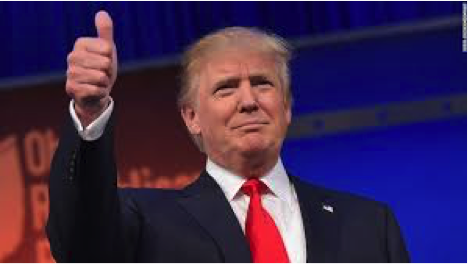
Politically, the US will be having a new president who is a Washington outsider and has no background in politics and policy making. This triggers jitters since no one knows what president elect Donald Trump will do based on his radical economic policy change proposals during his campaign. Contrary to what many had predicted and what most economists think, Oliver Rakau, Senior Economist at Deutsche Bank Research says that “Donald Trump clearly expressed his position in the election campaign. He will now have to show which measures he can in fact implement as a President. It is clear that the US economy will benefit from his policy – at least temporarily.”
From the macro-economic front, analysts at Deutsche Bank predict that the slow growth in global economy that has persisted since the financial crisis of 2008 will flow into 2017. To reverse the expected sluggish growth and achieve a sustainable and significant increase in growth, governments will need to consistently implement structural reforms. With lack of political will and commitment to implement the structural reforms the challenges being faced by emerging markets and export-oriented developed economies such as Germany will persist; and counter the economic growth expected from countries such as the US, China and Japan. With a slow growth of the economy, the capital markets are expected play along and reflect the stunted growth pace through low asset prices or falling prices in the hard hit sectors.
Emerging markets will hardly experience any significant growth; but if Russia and Brazil are able to implement strategies to drive them out of recession, the global economy will feel the impulse and capital markets will respond positively. However, the US interest rate question still hangs in the air; and if Fed chair Janet Yellen decides to hike the rates, capital flow back to the US will hurt emerging markets and worsen their recovery speed.
Generally the global economy is expected to grow at about 3.5% in 2017 with the US, China and Japan struggling to keep up with the downward pull from the slow growth in Europe.


