
The bankers could be laughing all the way to the bank based on the new developments within the Trump administration; whereby the process of loosening regulation on the banking sector has been officially initiated. On 3rd February 2017, President Trump signed an executive order requiring the Treasury secretary to consult other relevant bodies and agencies on the changes that need to be made on the Dodd-Frank Act of 2010. Although the executive order does not have any immediate implications to the regulation, it sets the stage for follow up changes that will result to more relaxed rules for the players in the financial services sector.
For the bankers, this is good news since with lesser regulations they shall be able to create more financial products and sell them to their clients. In addition the banks will be able to lend more money to a wider customer base without the restrictions imposed by the Dodd-Frank Act. When you add the effect of the proposed fiscal stimulus package for US corporations whereby their tax will be reduce from the current rate of 35% to a lower rate of 20%; you realize that banks are going to have a beautiful time for as a long as Trump is in the Oval Office. “US banking sector stocks are expected to surge up in the coming days due to the expectation of higher revenues from the increased business activity once the rules have been relaxed; as well as expectations of higher profits announcements due to the combined effect of growth in revenues and reduction in tax liability,” an analyst from an analyst from Lionexo binary options explained.
Not everyone is happy with the changes in the Dodd-Frank Act though. Analysts who are opposing the policy change argue that the regulation has played a great role in protecting customers from exploitation by the banks. In their opinion, tearing down the Dodd-Frank Act will expose the customers to the ruthless greed of the bankers that was experienced just before the 2008-2009 global financial crisis.
Thereafter the rules and regulations as stipulated under the Dodd-Frank Act were passed in order to ensure that US citizens were protected from such unscrupulous acts by the bankers. The banks were also prohibited from trading from their own accounts in order to enhance transparency and accountability and avoid situations whereby they could manipulate the markets through insider trading. Those opposing the change od Dodd-Frank Act are trying to prevent the erosion of the gain made so far by the law in ensuring that sanity and order is maintained within the financial sector in the US; both for its citizens as well as for the global economy which is directly affected when the US financial sector moves in any direction.
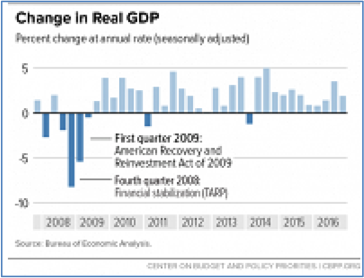 Those within the Trump administration however argue that the regulation has failed to achieve its objectives 5 years later and it is time to amend it in order to open up credit for the masses. In their opinion, the rules under the Dodd-Frank Act are restrictive to the banks and they prevent free flow of credit to individual customers and businesses. As a result, these limitations slow down business growth and consumption among the US citizens which eventually pulls back the wheels of economic development for the country. According to those supporting the changes, there is a need to have a balance between customer protection and allowing free flow of credit for growth in business and the ultimate growth of the banking sector shareholders’ wealth.
It is expected that the Treasury secretary will hold the consultative meetings as summoned by the President and report back with changes within the first 100 days of Trump’s administration in power. Whatever the changes he will recommend, we hope they will take care of the best interest of customers and not expose them to manipulation by the banks in the long-run.


